
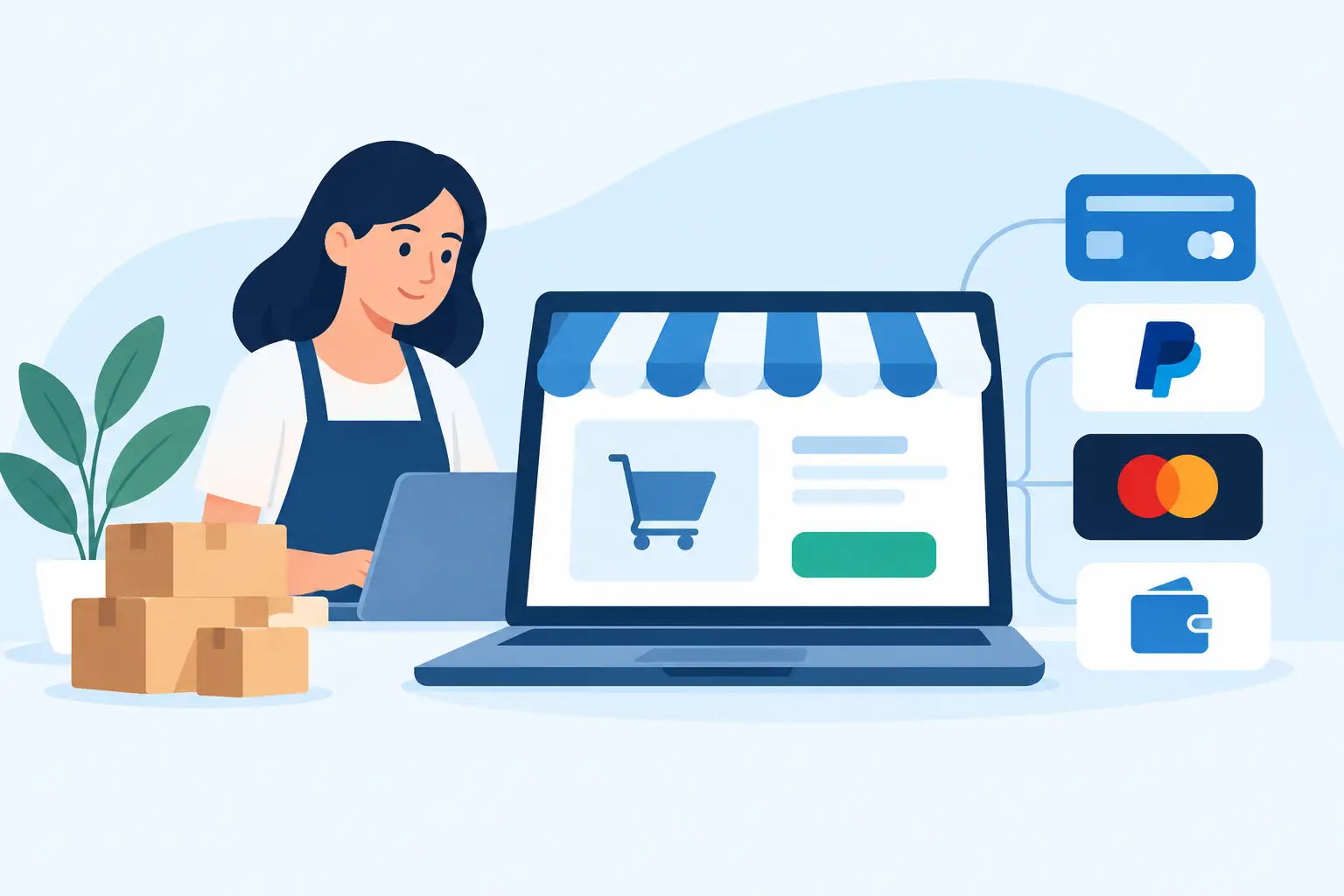
A customer has chosen a product, reached the basket and is ready to pay. At that point, ecommerce payment gateways become far more than a technical detail. A slow, unfamiliar or awkward checkout can lose a sale in seconds, while a well-configured payment process gives customers confidence that your business is credible, secure and ready to serve them.
For Fareham businesses selling products, bookings, subscriptions or digital services online, the right payment setup should support growth without creating unnecessary administration. The best choice is not always the cheapest provider or the one with the longest feature list. It is the gateway that suits your customers, your website and the way you operate.
What an ecommerce payment gateway does
A payment gateway is the technology that securely passes card and digital-wallet payment details from your website to the payment provider, then returns an approval or decline message at checkout. It helps protect sensitive card data while allowing money to move from the customer to your business account.
The terms can be confusing because payment gateway, payment processor and merchant account are often used together. In practice, many modern providers combine all three elements in one service. You create an account, connect it to your online shop and receive payments after the provider has processed them, usually on a set payout schedule.
For a small business, this all-in-one approach can be simpler than arranging separate banking and processing services. However, simplicity still needs to be balanced against fees, customer experience and the features your website requires.
Choosing ecommerce payment gateways for your business
Start with the customer journey rather than the provider’s marketing. Think about who is buying, how they prefer to pay and what would make checkout feel straightforward. A local retailer selling lower-value products may need card payments and digital wallets. A business taking deposits for larger services may need clear payment records, refund controls and the ability to send payment links.
Payment methods your customers expect
Debit and credit cards remain essential, but many shoppers now expect to use Apple Pay, Google Pay, PayPal or other express-payment options on mobile. These methods can reduce the number of fields a customer must complete, which is particularly useful when somebody is ordering from their phone between appointments or while travelling.
That does not mean every payment option should be added automatically. Too many choices can make a checkout look cluttered, and each method may have its own charges or account requirements. Look at your likely audience first. A Hampshire business selling primarily to UK consumers may have very different needs from a company selling internationally or serving other businesses.
Charges, payouts and the real cost of taking payment
Most gateway providers charge a percentage of each transaction plus a small fixed fee. Some also offer monthly plans, currency-conversion charges, chargeback fees or additional costs for certain payment methods. A lower headline transaction rate is useful only if it matches your sales volume and the features you need.
Payout timing matters too. Some providers settle money in a few working days, while others may hold funds longer for new accounts, high-value sales or unusual activity. This is a normal part of fraud prevention, but it can affect cash flow. If you rely on deposits to buy stock or schedule work, understand when funds will become available before you build your checkout around a provider.
It is also sensible to consider refunds. Can your team issue one from a clear dashboard? Will the original processing fee be returned? These details are easy to overlook until the first customer changes their mind.
Security without a complicated checkout
Customers rarely ask how your payment gateway handles security, but they notice when a checkout feels untrustworthy. Familiar payment logos, a secure website connection and a clean, branded design all help reassure people at the moment they are asked for card details.
Your gateway should support strong customer authentication where required and use recognised security standards for card handling. The goal is to reduce fraud without making legitimate customers jump through unnecessary hoops. A checkout that redirects customers to an unfamiliar page can still work well if the process is clear, secure and professionally presented. A payment form hosted directly on your website can feel more consistent with your brand, but it may require more careful technical setup.
No gateway removes the need for good website maintenance. Keep WordPress, ecommerce software, themes and plugins current, use strong account access controls and review order activity regularly. Security is an ongoing responsibility, not a switch that gets turned on at launch.
Compatibility with WordPress and your ecommerce platform
If your website uses WordPress with WooCommerce, your chosen provider needs a reliable, supported integration. This affects far more than the payment button. It determines how orders are marked as paid, whether stock is updated, how refunds are handled and what information appears in your reporting.
A well-supported gateway extension is usually a safer choice than an unofficial connection that may stop working after an update. It should also fit your sales model. For example, recurring memberships need subscription support, appointment businesses may need deposits, and businesses taking orders by phone may need a secure way to process remote payments.
Before making a final decision, check whether the gateway supports your preferred currency, the countries you sell to and the devices your customers use. A solution that looks ideal on a desktop test can be frustrating on a mobile screen if the checkout has not been properly configured.
Common payment gateway options and where they fit
There is no single best provider for every online business. Stripe is widely used by businesses that want flexible card payments, digital wallets and strong WooCommerce compatibility. It can suit companies that want payments to sit closely within their own website experience.
PayPal is familiar to many consumers and can be useful as an additional checkout option, particularly where customers value the reassurance of paying through an account they already use. It may not need to be the only method you offer, especially if you want the customer to remain fully within your branded checkout.
Square can be a practical choice for businesses that take both online and in-person payments, such as retailers, cafés or event sellers. Using one provider for website sales and card terminals can make reporting easier, although the best fit depends on your existing point-of-sale setup.
Traditional merchant-service providers may offer tailored rates for higher transaction volumes or more established businesses. They can be worth considering when payment volume is substantial, but contracts, setup and support arrangements may be more involved. For a new online shop, a simpler provider can often offer better value and a quicker route to launch.
Build a checkout that helps customers finish the purchase
A gateway is only one part of the buying experience. The checkout page should make the next step obvious, show the full price before payment and ask only for information you genuinely need. Unexpected delivery charges, forced account creation and long forms are common reasons customers abandon baskets.
Test the full process yourself before launch. Place a small test order on a mobile phone and on a computer. Check that confirmation emails arrive, order details are correct, stock changes as expected and refund procedures are understood. Then ask someone unfamiliar with the site to try it. They are more likely to spot confusing wording or a missing step.
Your payment page should also match the quality of the rest of your website. If your product pages look polished but checkout feels generic, customers may hesitate. Consistent colours, clear business details and straightforward returns information all support a more credible purchase decision.
Questions businesses often ask
Do I need more than one payment gateway?
Usually, you need one main card-payment solution and may add a familiar express option where it suits your customers. Multiple gateways can improve choice, but they also create more accounts, reconciliation work and support tasks. Begin with the options most likely to help customers complete payment, then review performance as sales grow.
Can I change payment gateway later?
Yes, although changing providers involves testing the new connection, updating checkout settings and reviewing any subscriptions or saved payment details. If recurring payments are central to your business, plan a move carefully because customers may need to authorise a new payment arrangement.
What should I prepare before applying?
Payment providers will normally want your legal business details, bank account information, contact details, website address and a clear explanation of what you sell. Your website should display accurate product or service descriptions, delivery or fulfilment details, refund information and contact information. A complete, professional site can help avoid delays during account review.
A payment gateway should make it easier for customers to buy from you, not become another system you have to worry about. With the right setup, regular testing and dependable website support, your online checkout can quietly do its job while you focus on orders, customers and the next stage of your business. Jawbone Media can help Fareham businesses build ecommerce websites with payment journeys that are clear, mobile-ready and designed around real commercial requirements.
Leave a Reply